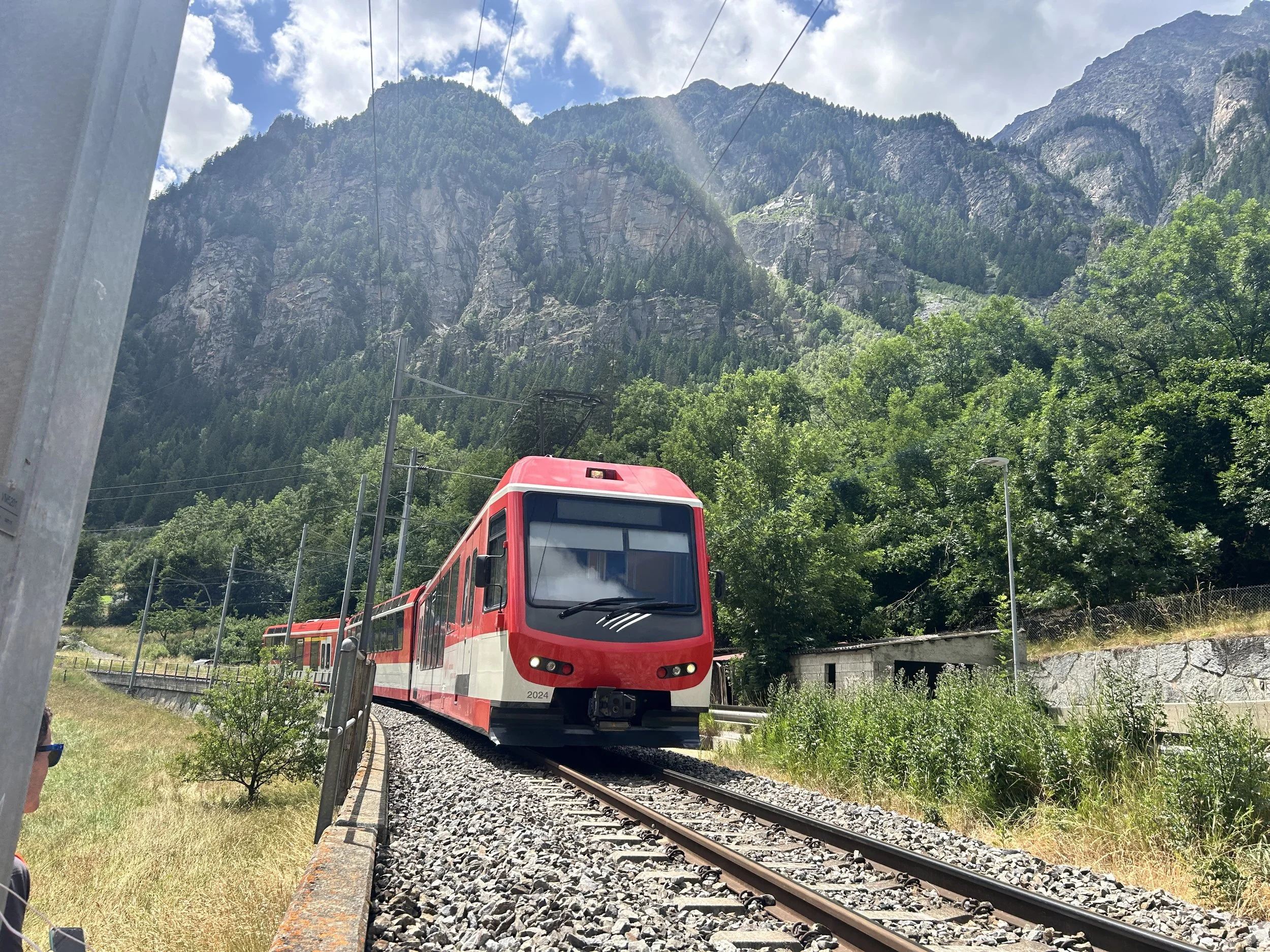
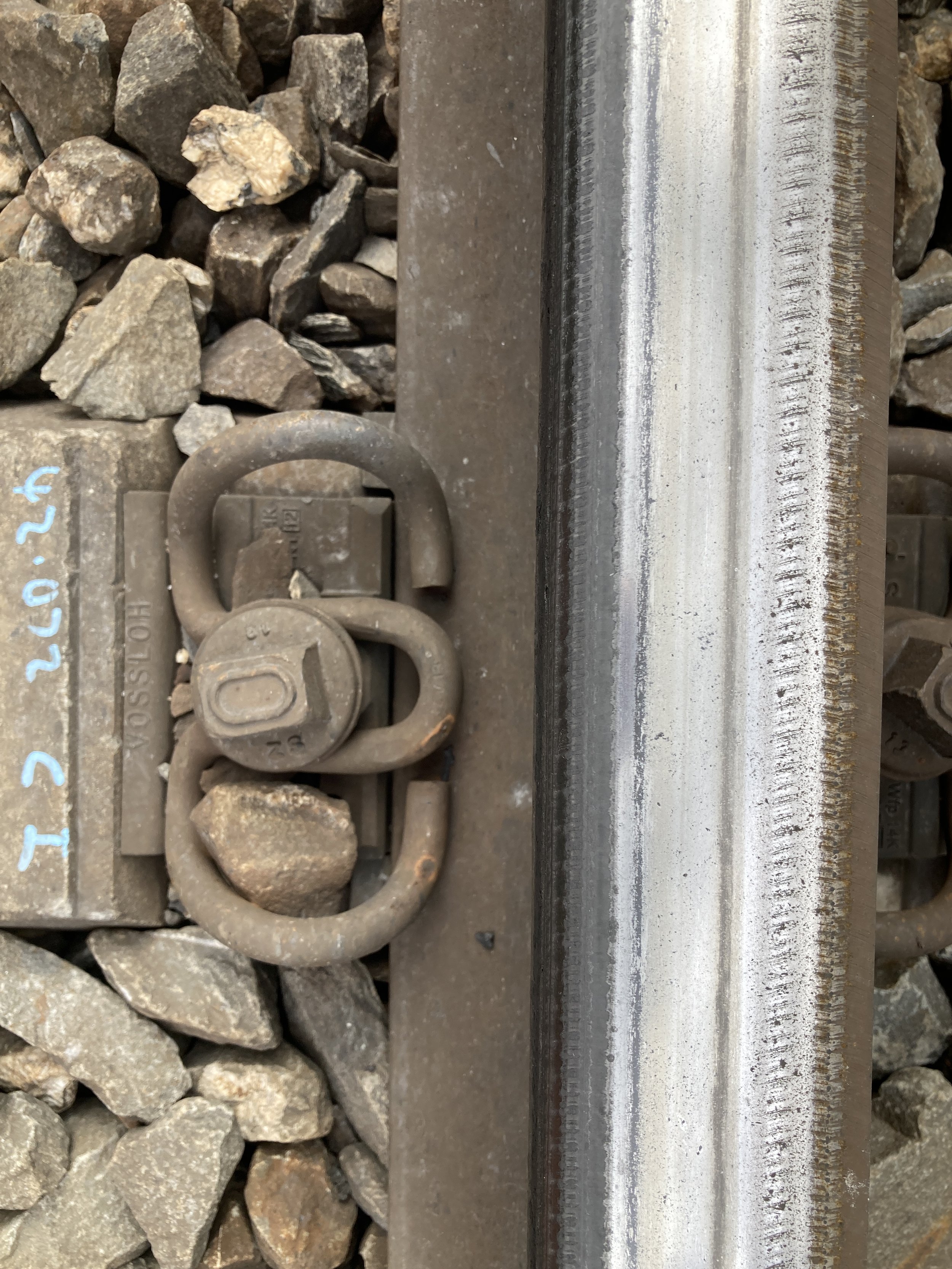
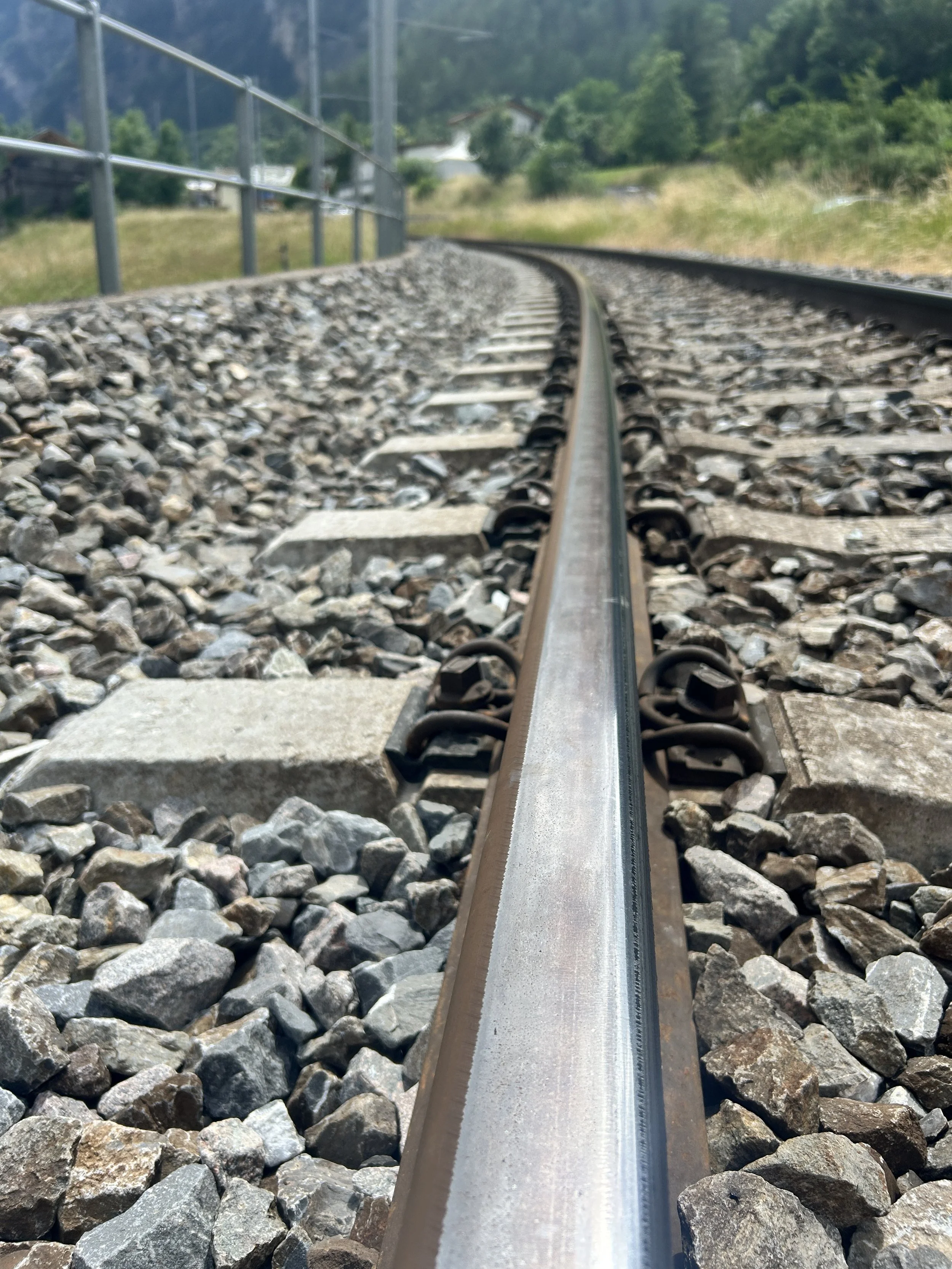
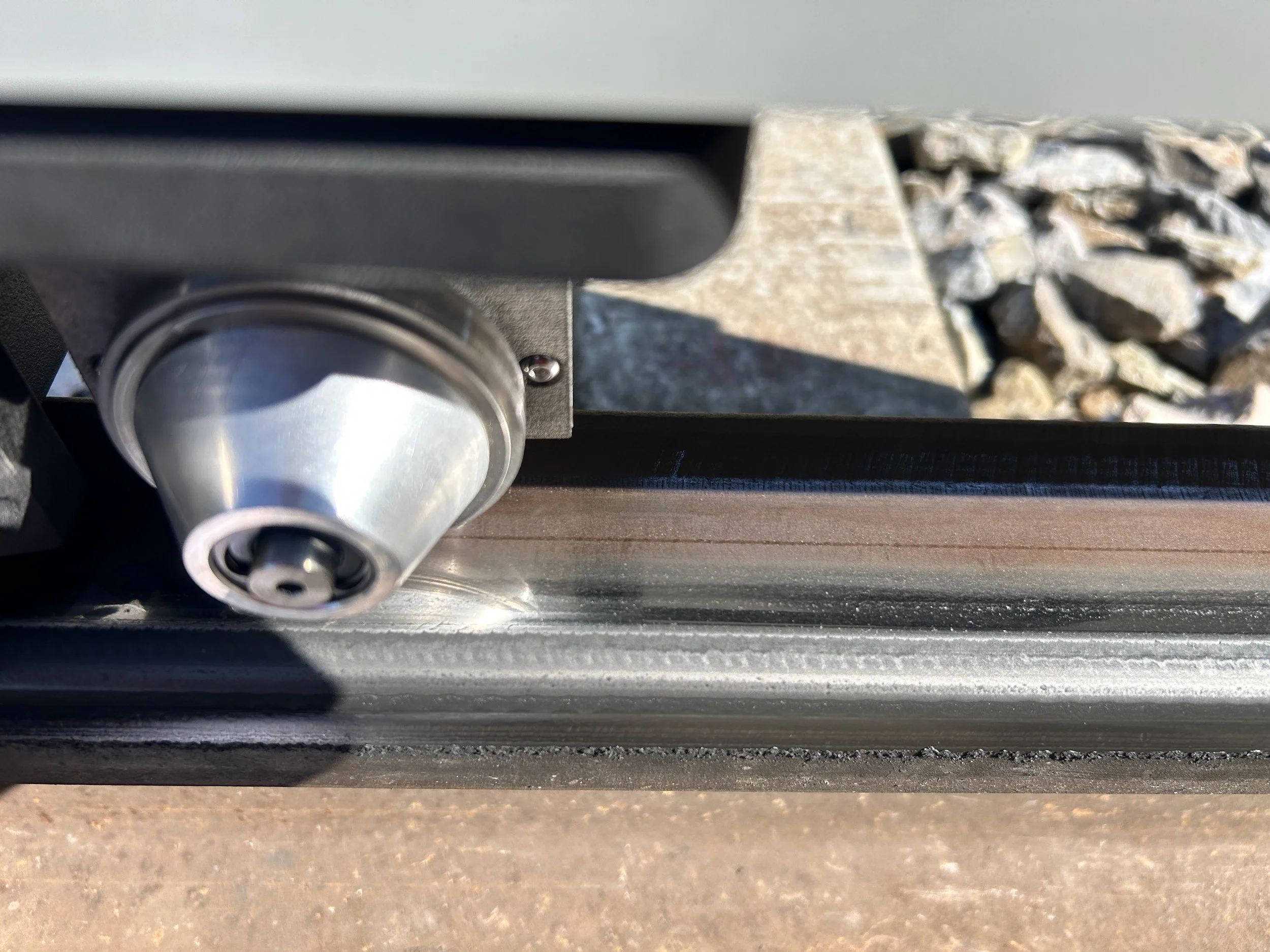
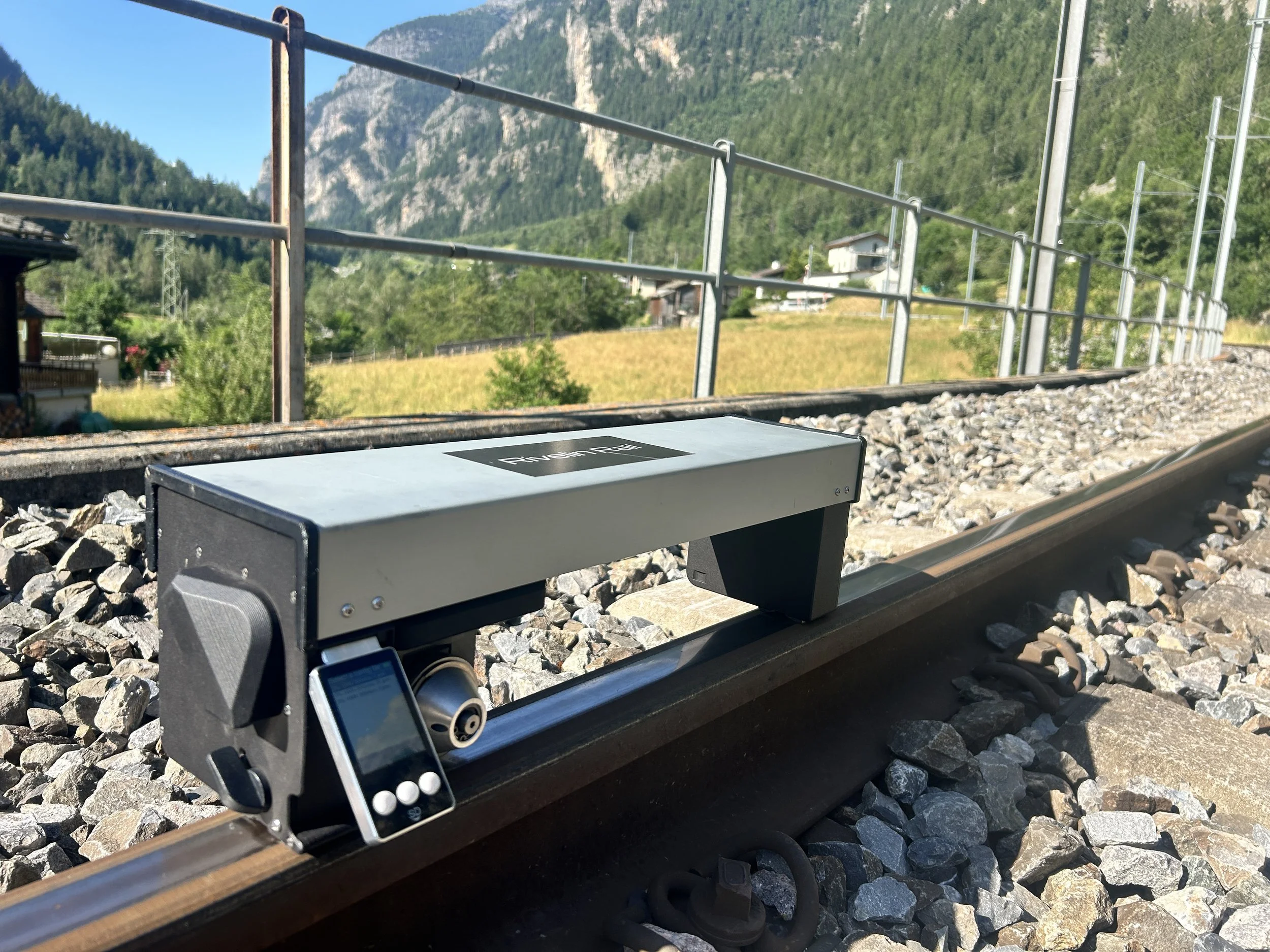
CASE STUDY 2: Top-of-rail Lubricant Optimisation (On-Board, Operational Use)
Background
Railway suffering from excess damage to wheel and rail, reducing service life
Oil-based product sprayed to rail from on-board (train based) system to reduce wear and squeal
The product is applied as a thin, transparent film. Too little product does not provide the desired benefits, too much product may reduce braking performance
Not possible to optimise application location, amount or intervals without friction measurements.
Our practices
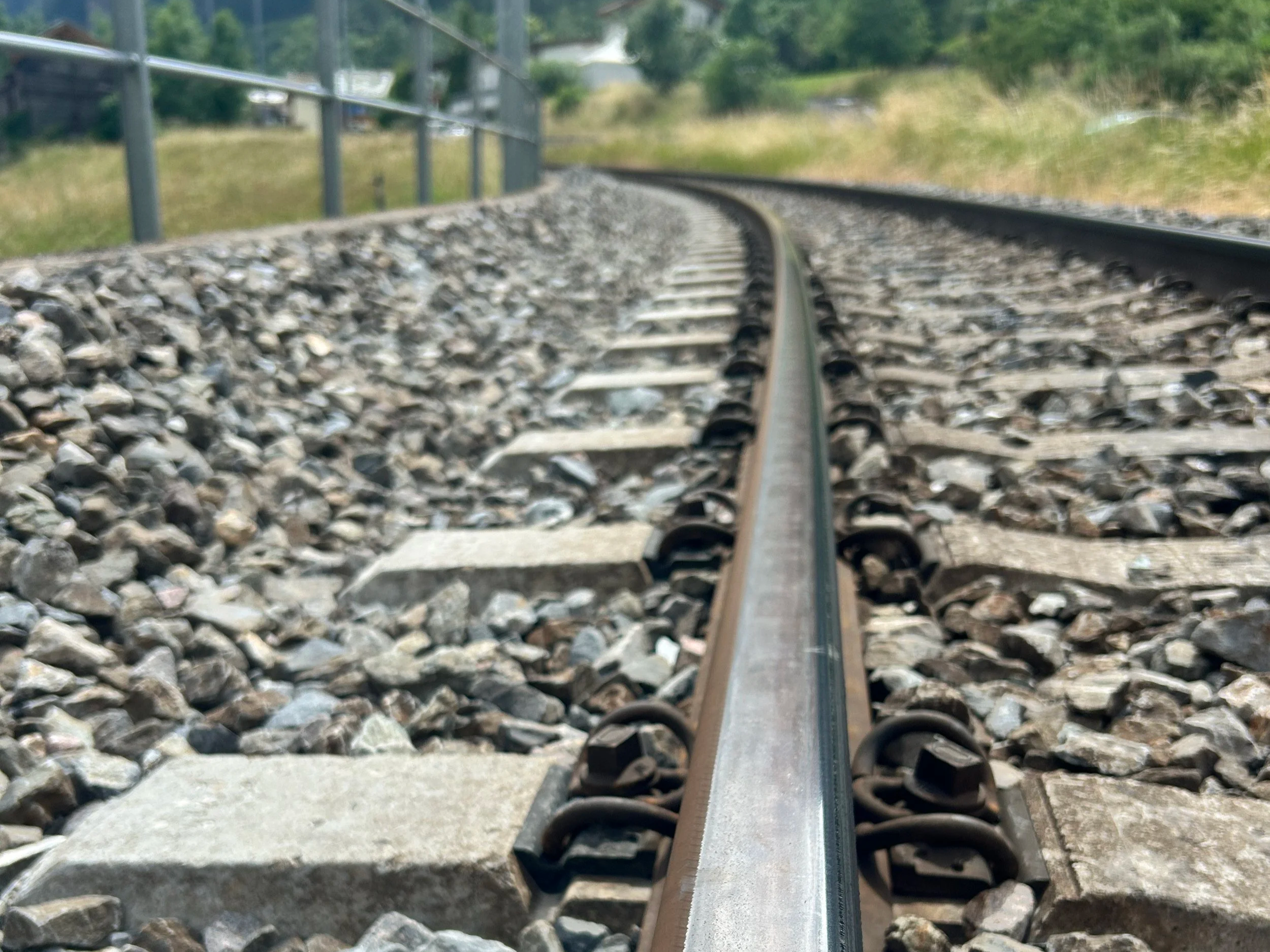
Began with a ‘dry’ rail for baseline measurements, before friction management product addition
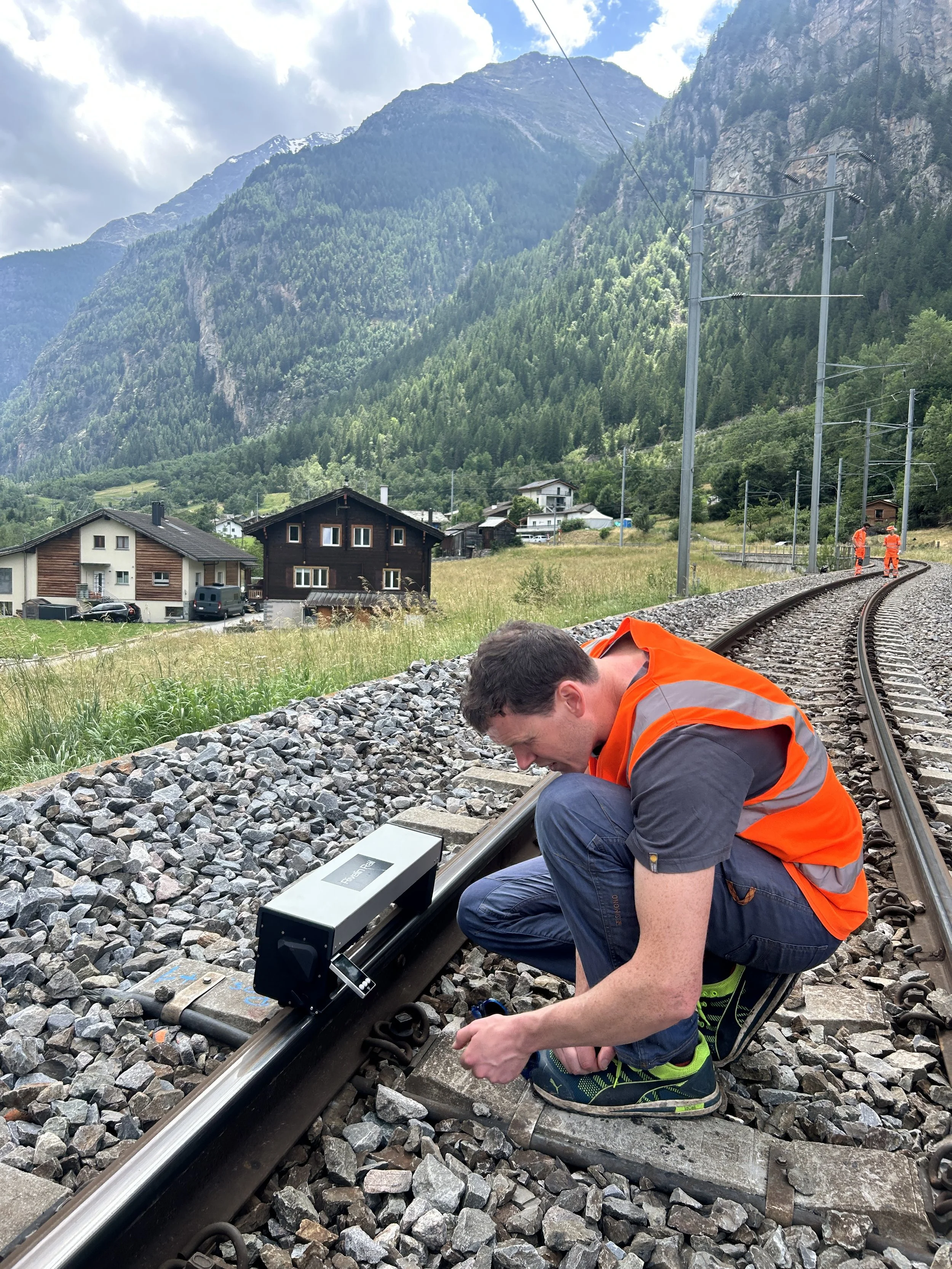
Friction measurements taken between trains during normal operation to investigate:
Application amount
Application interval
Consumption per wheel pass
Effect of environmental conditions
Carry-down
Results
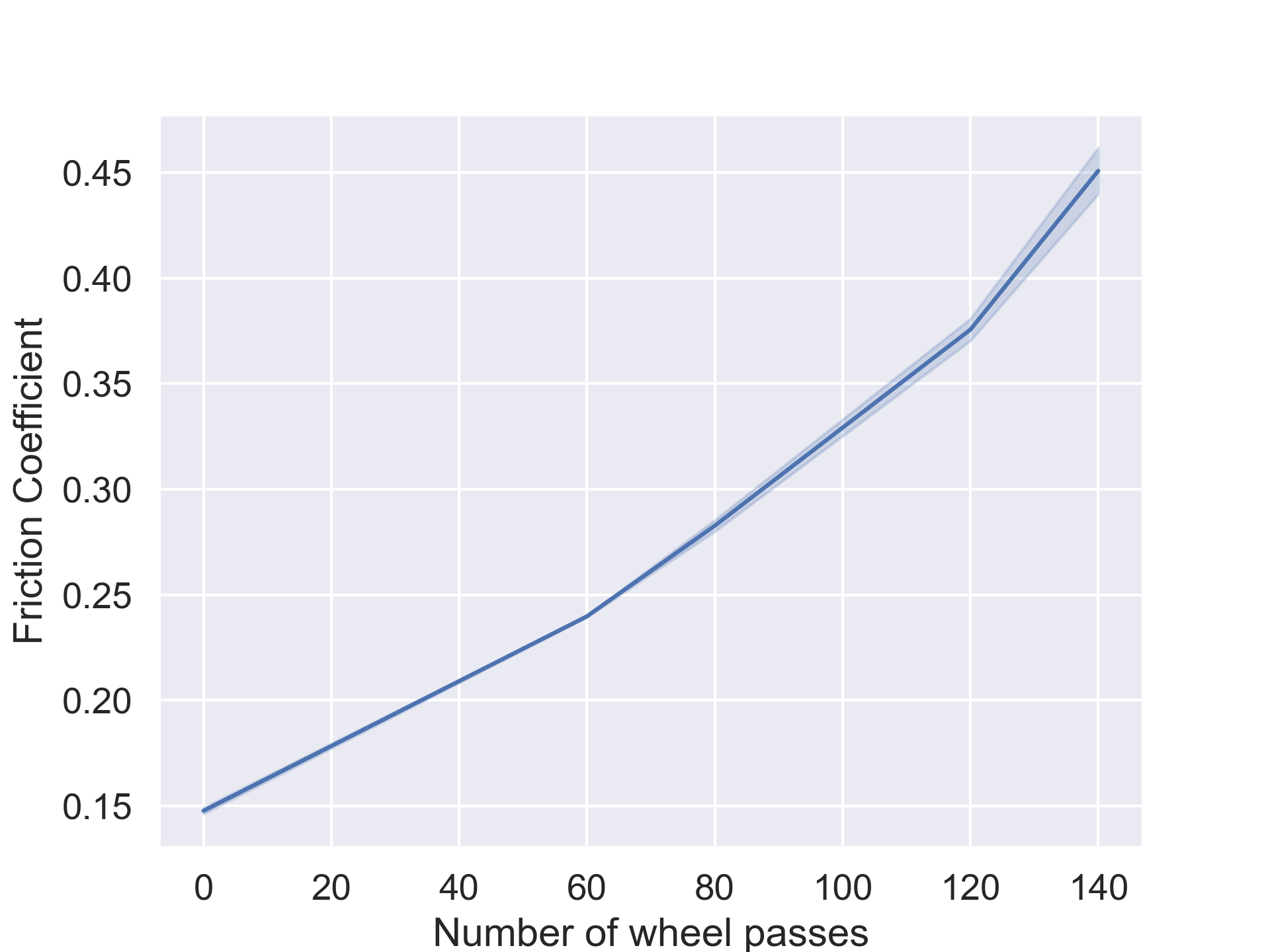
Measured increase in friction per wheelset (consumption)
Measured friction at different application amounts
Measured carry-down from initial application site
Outputs
Results used to inform operational decisions on friction management