CASE STUDY 7: Rail Cleaning And Friction Enhancing Products
Introduction
Over £85 m is spent on rail cleaning and friction management products every autumn. Unlike elsewhere on the railway, trial and error is often used for management strategies. Treatment performance is often assessed via Key Performance Indicators. These can be unreliable, dependent on weather, driver behaviour and with multiple rail treatments often carried out simultaneously.

Approach
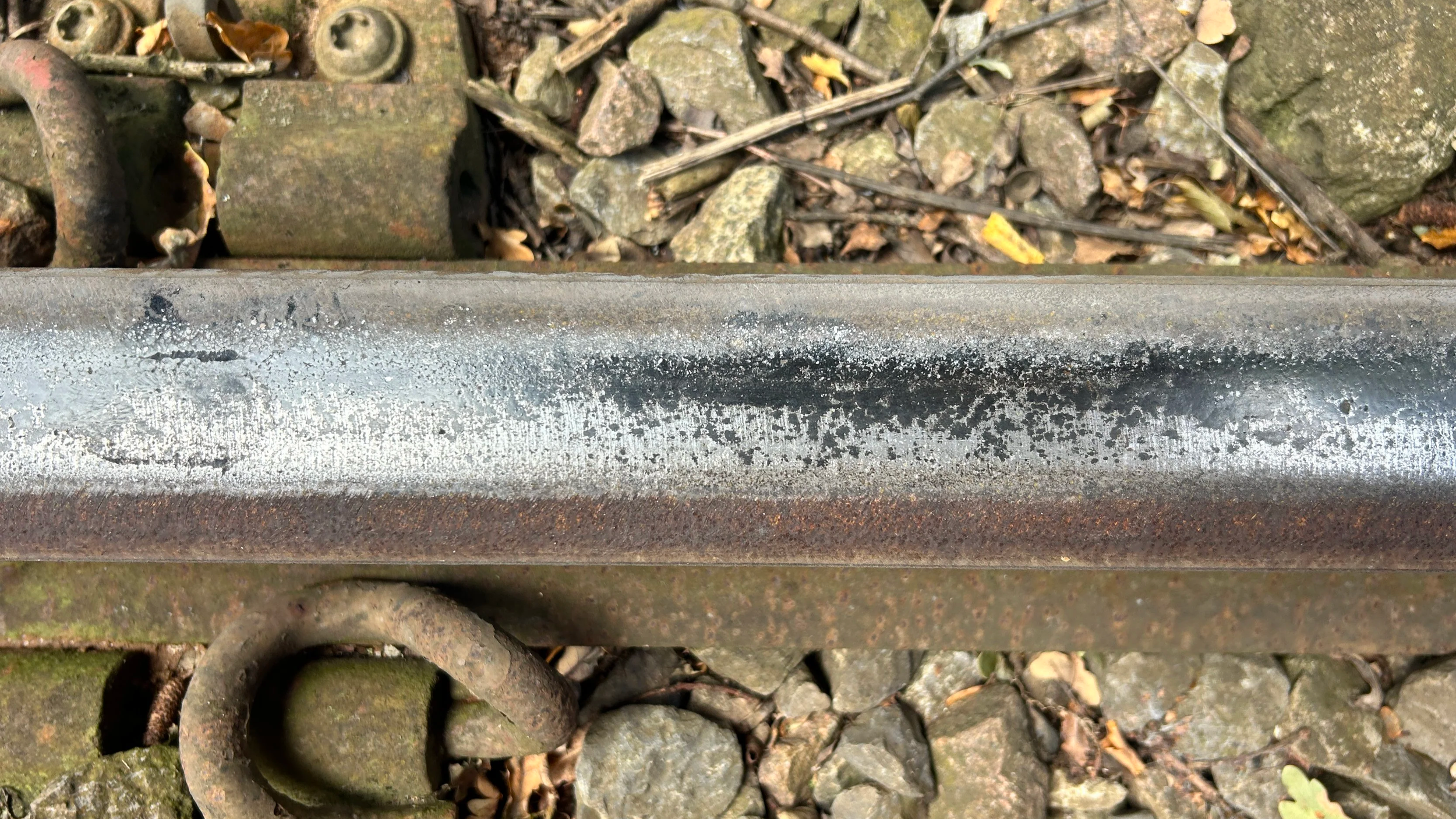
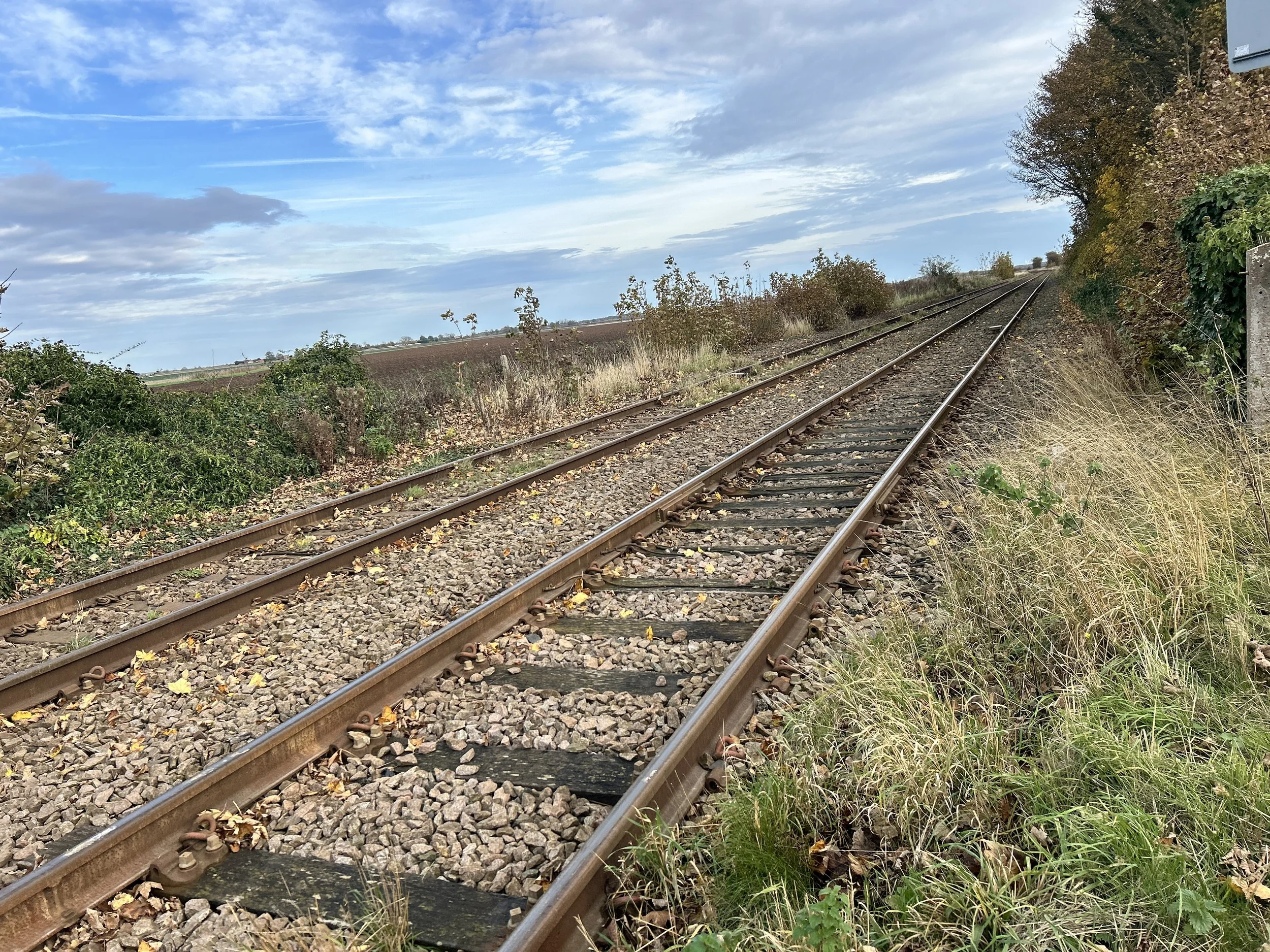
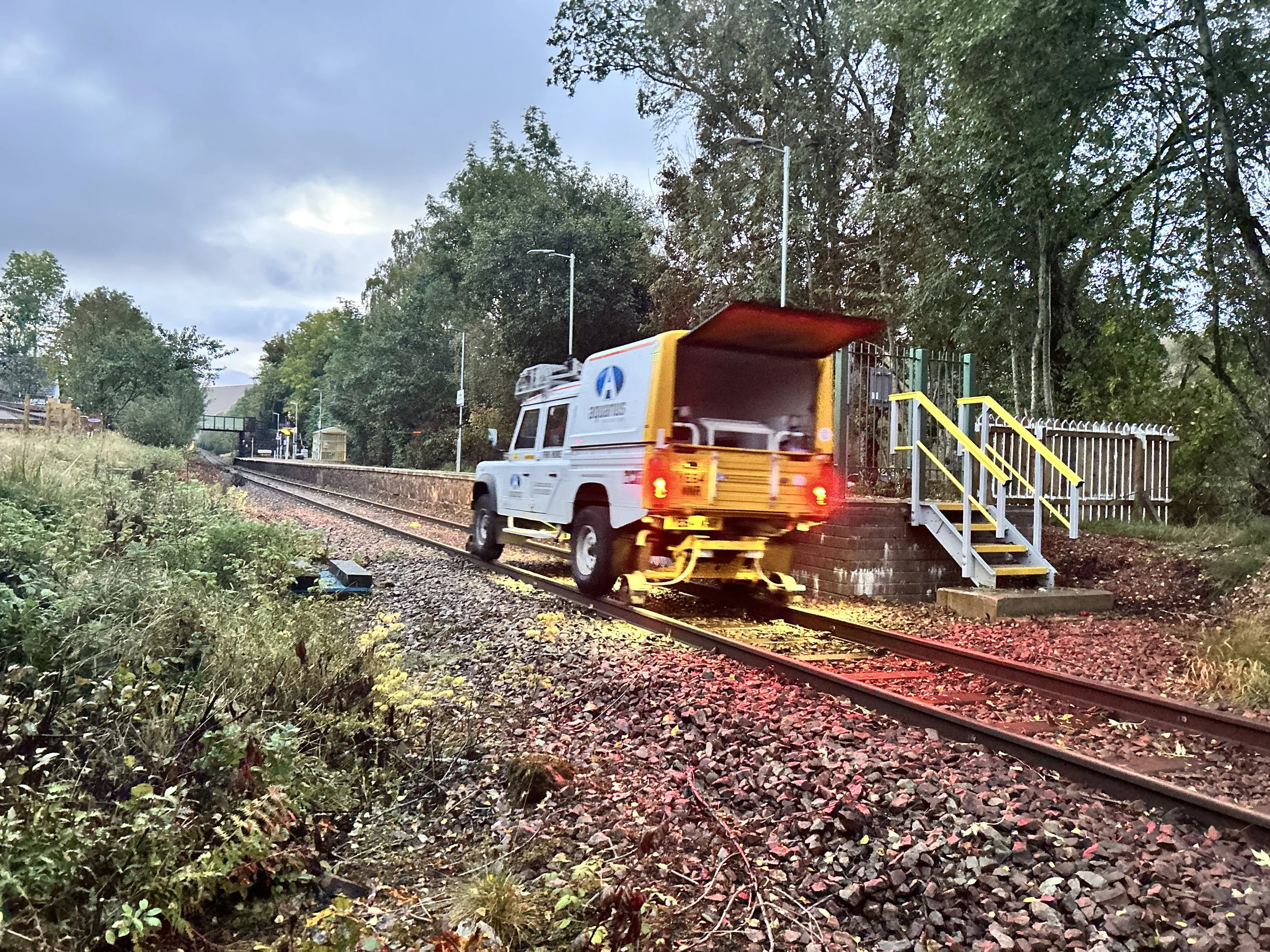
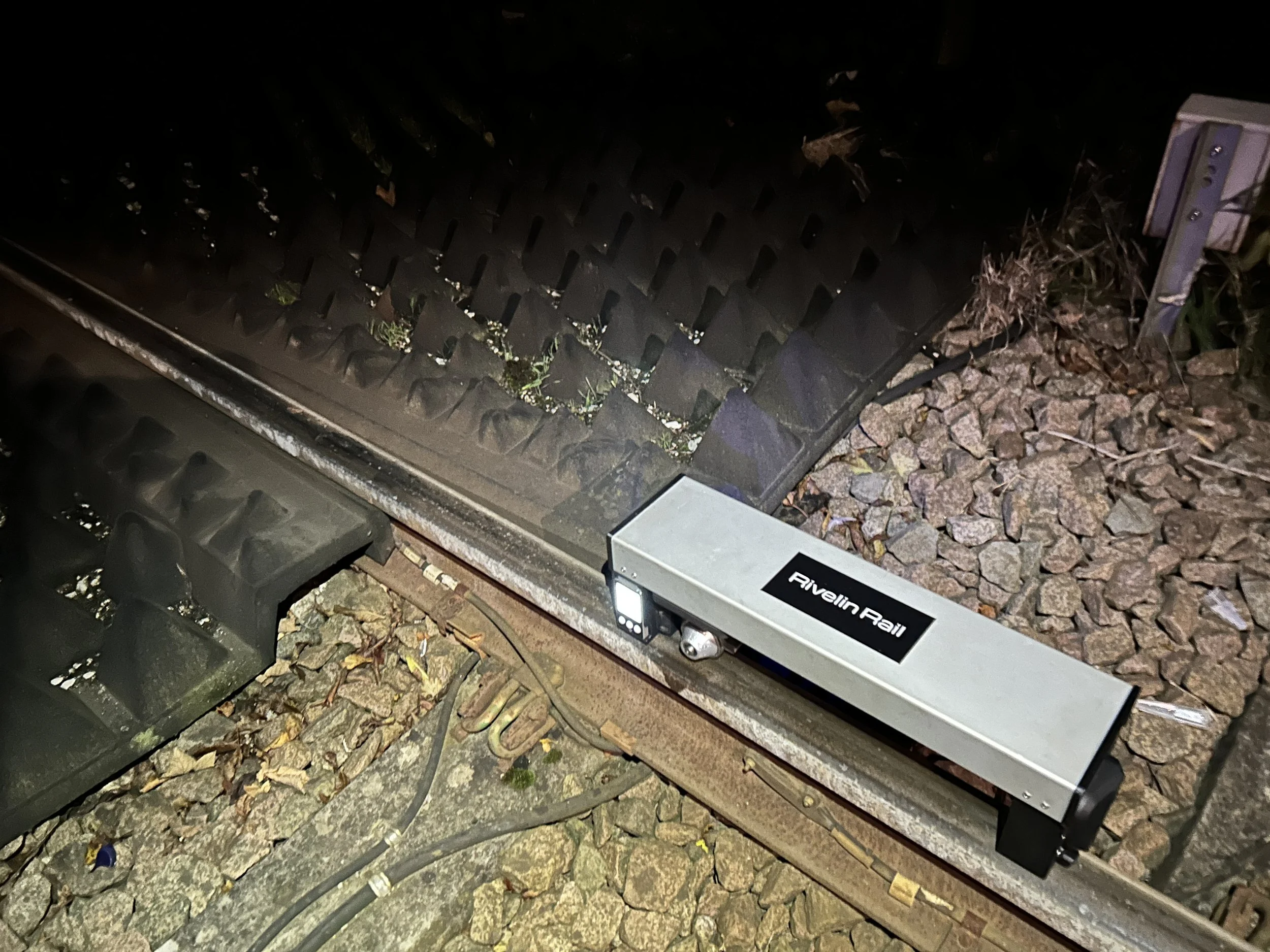
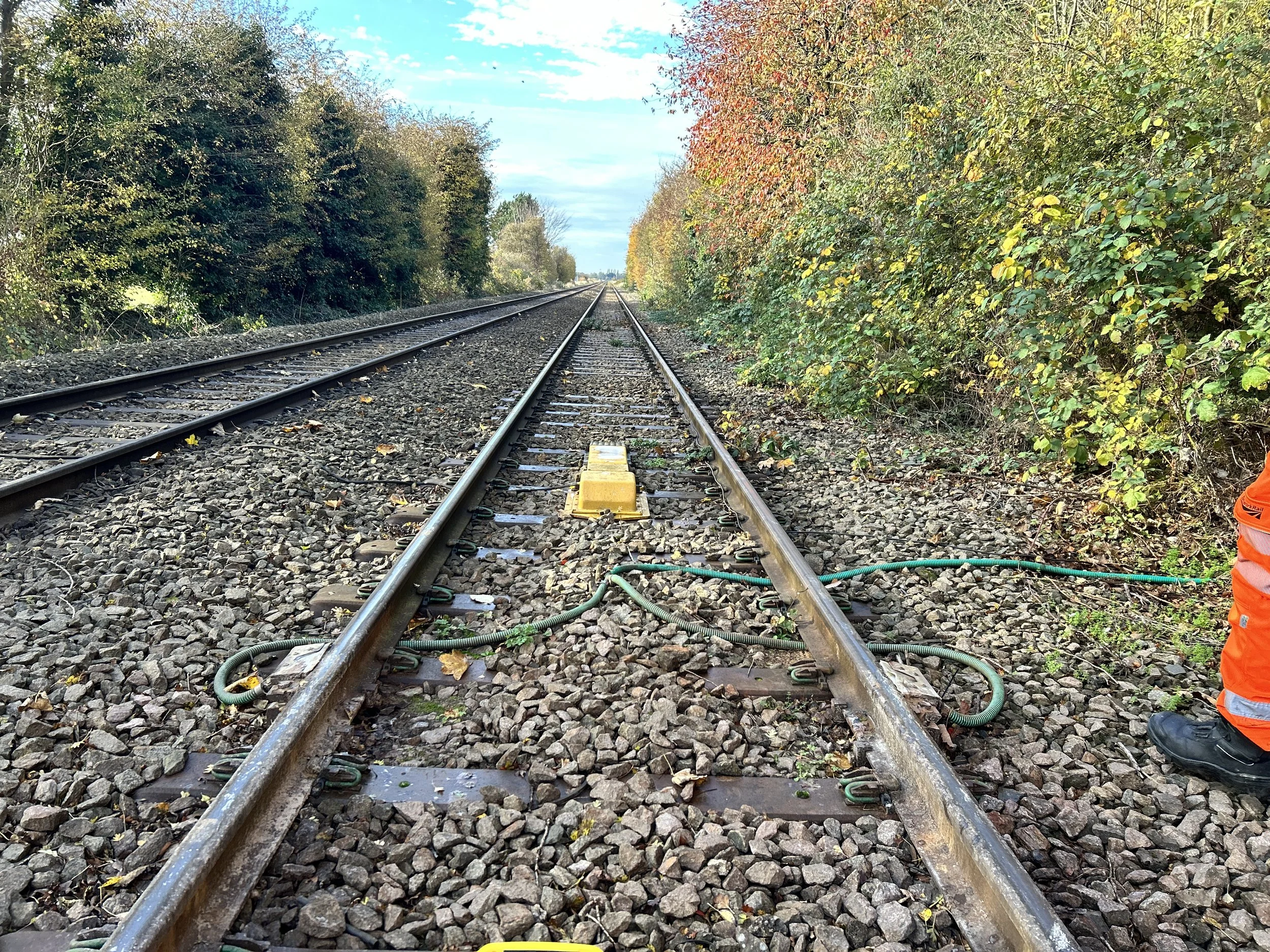
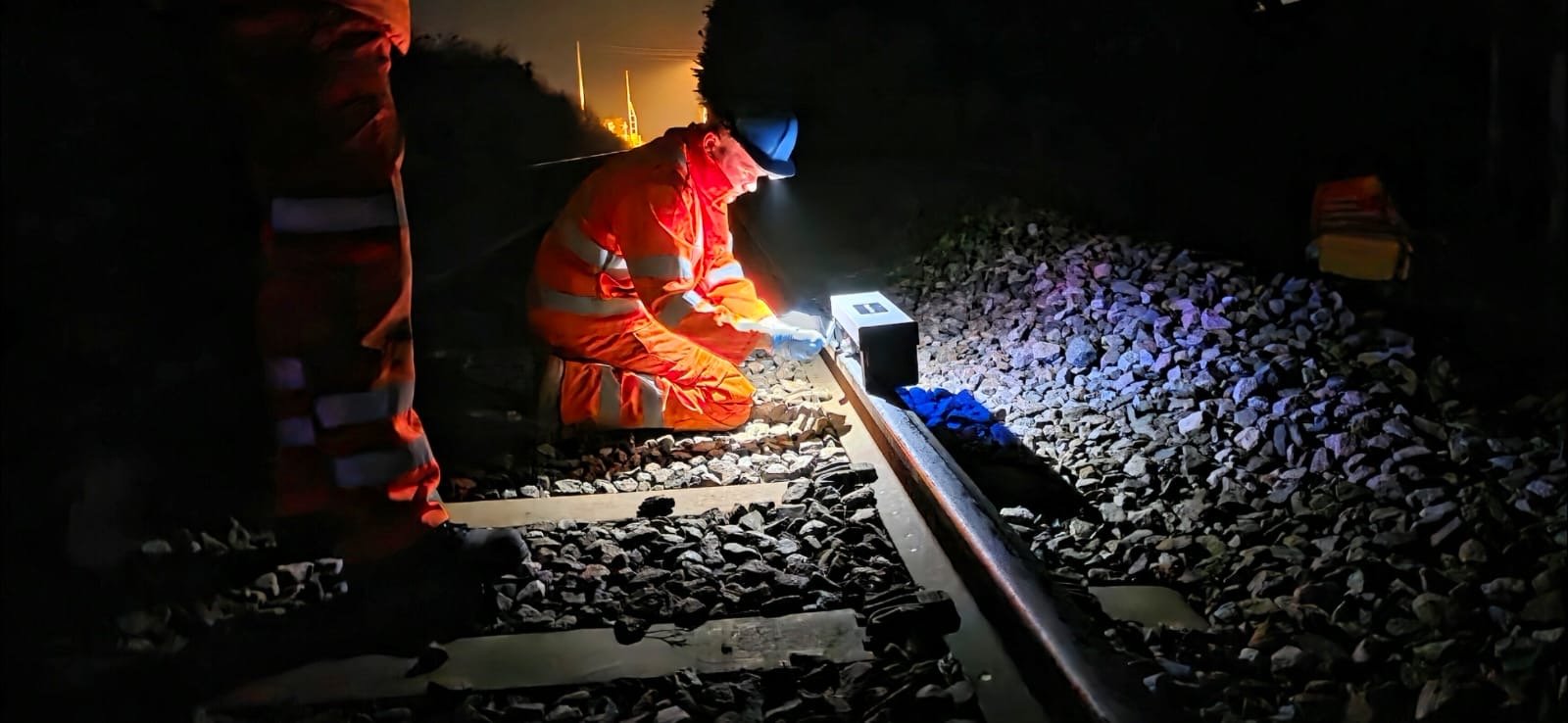
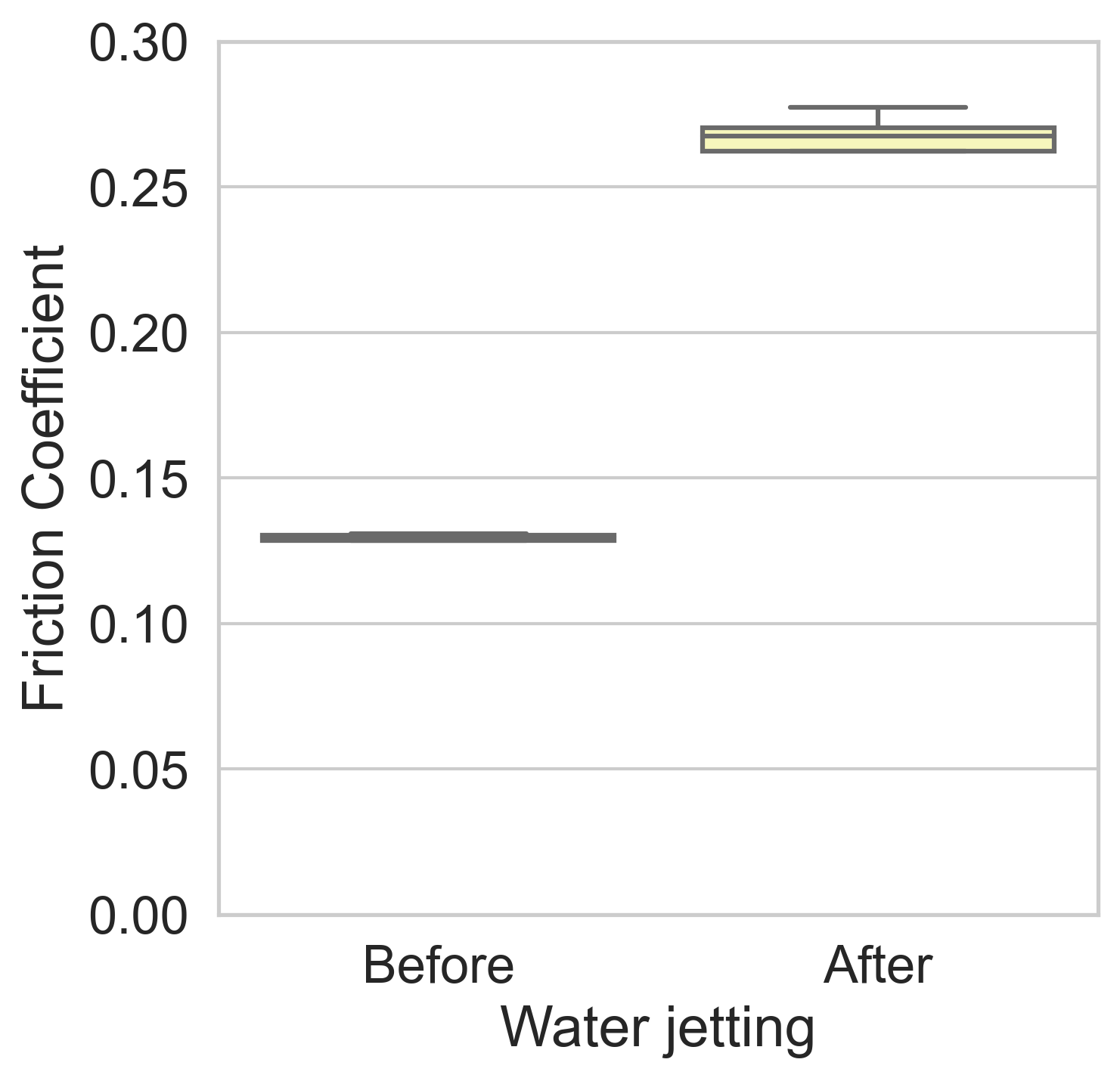
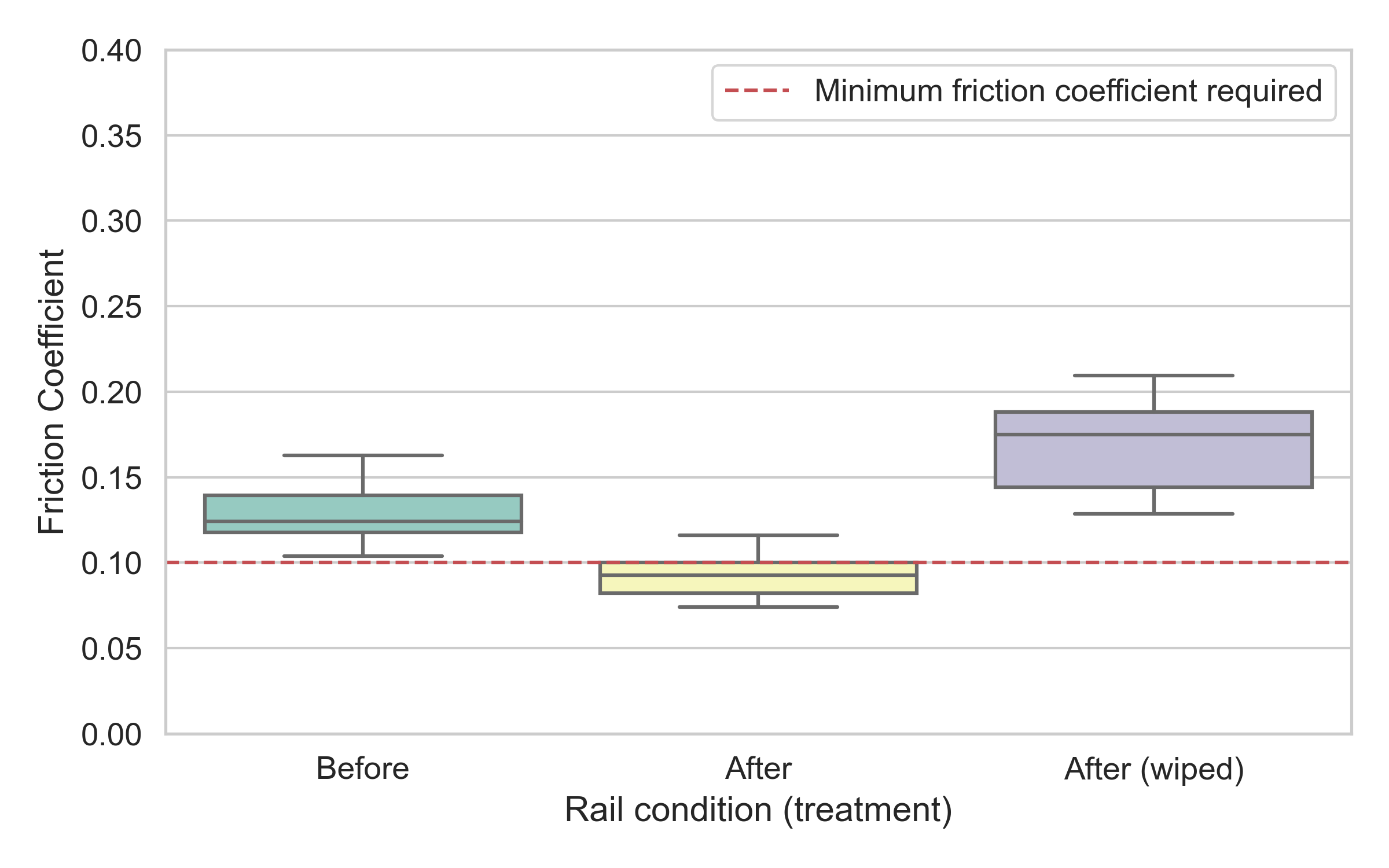
During Autumn 2025, Rivelin Rail was contracted by the Rail Safety and Standards Board (RSSB) to carry out friction testing on rail cleaning and low adhesion mitigation methods in regular operation, on Network Rail infrastructure. Ten days of portable tribometer measurement were carried out with Network Rail Mobile Operations Managers, before and after rail treatment on 6 different sites, with 5 different treatments.
Advantages to portable tribometer measurements
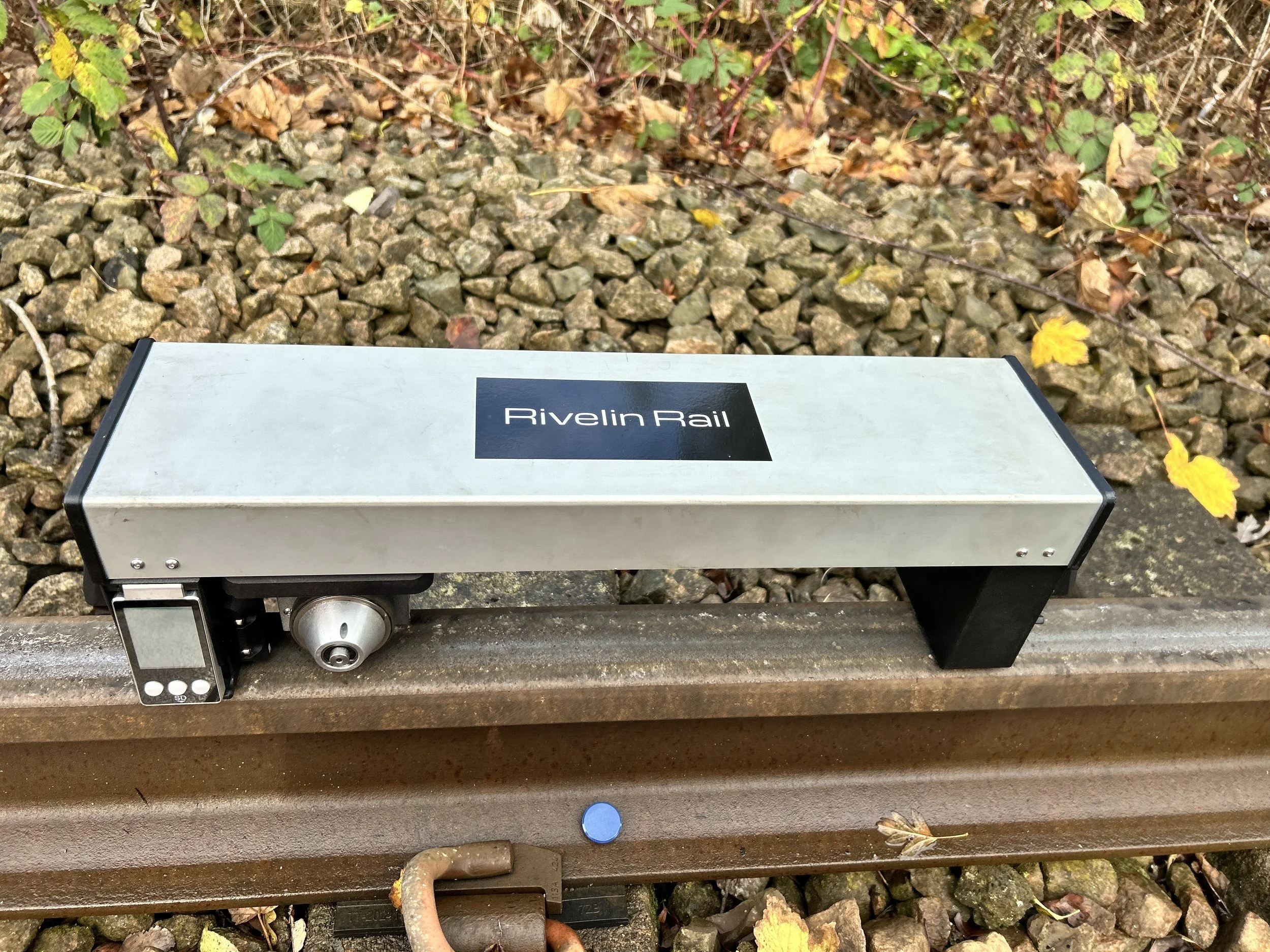
Direct friction measurements before and after treatment, using a portable tribometer, give a clear indication of friction changes. Water application and contact conditions can be kept consistent for repeatable measurements.
Rivelin Rail's portable tribometer is the only device to have been endorsed by the Adhesion Research Group and has been included in RSSB friction measurement protocols.
Results and outputs
There were large variations in the types and methods used to treat the rail during the project. Anecdotal evidence was often used.
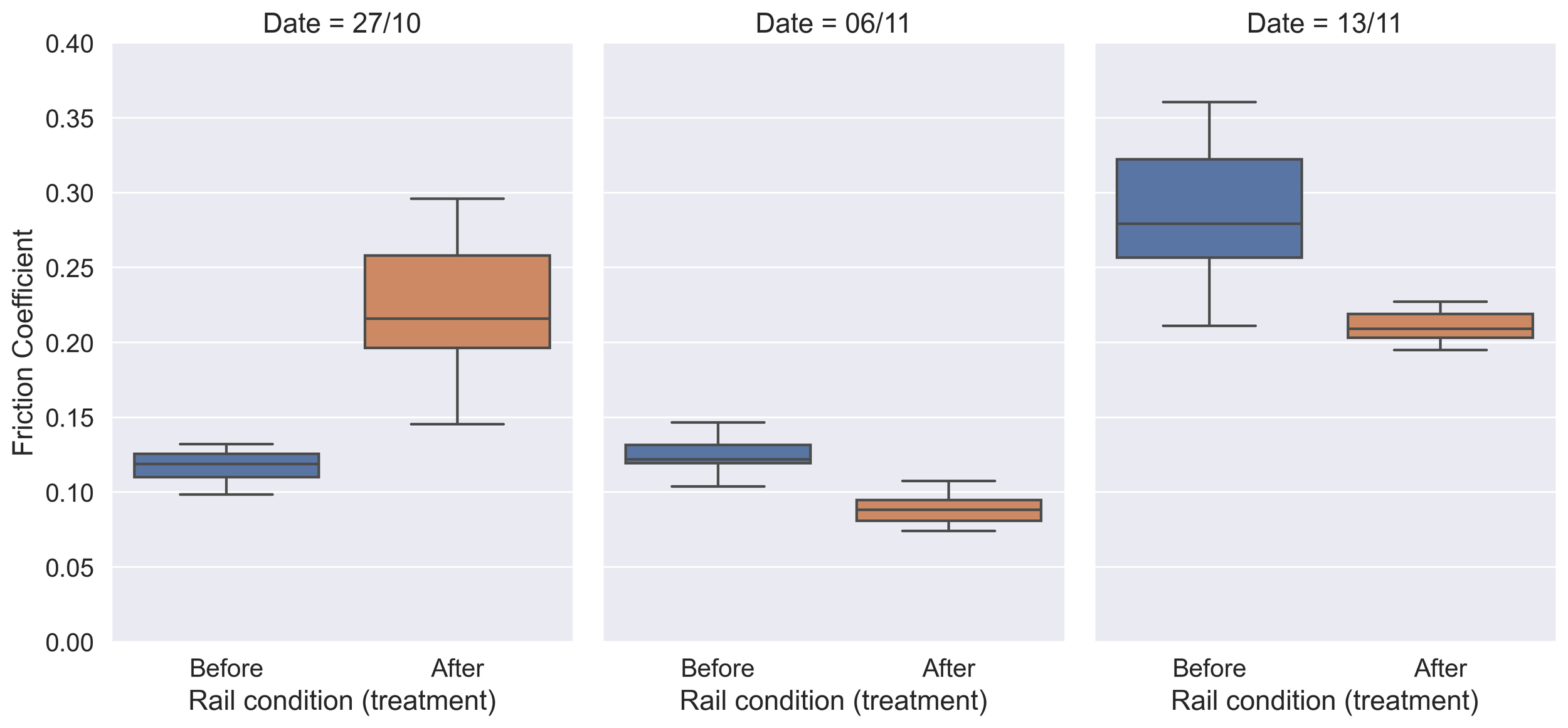
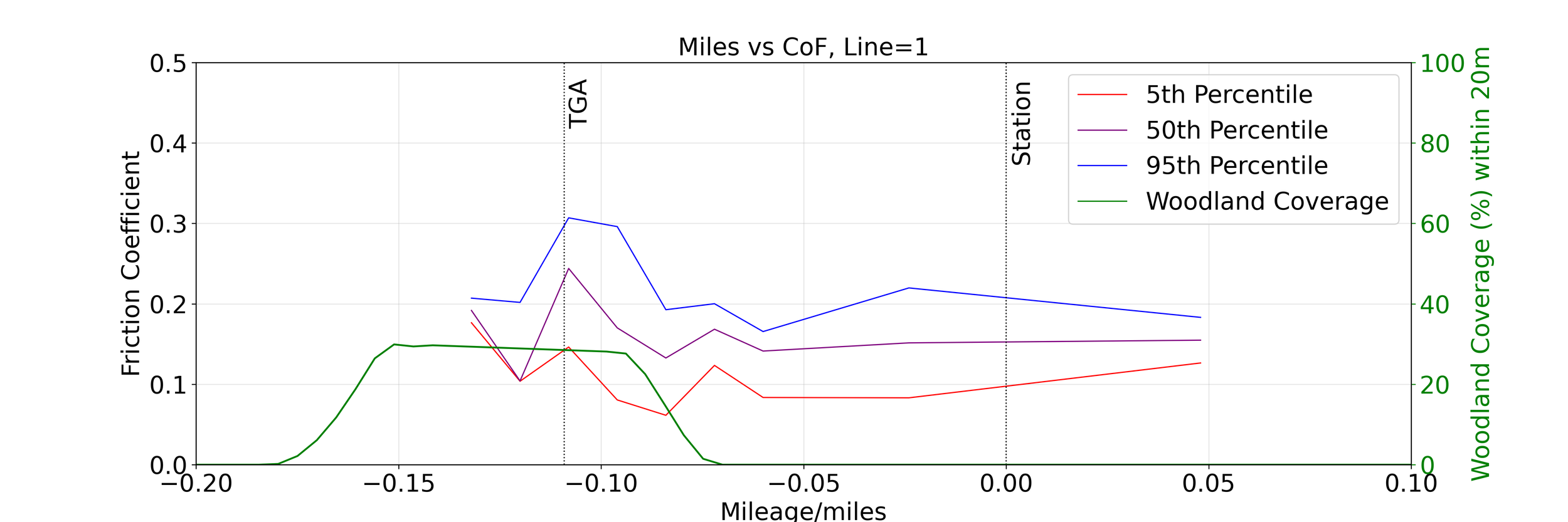
All treatments tested increased friction under some conditions. All had no effect, or even reduced friction under other conditions.
Application style, contaminant properties, environmental conditions mixing of treatments and subsequent traffic influenced results.
This first of a kind data highlighted the huge performance and safety benefits possible through better optimisation of these low adhesion mitigation strategies, using a more data driven approach.
You can read the full published report here: Operational Friction Testing of Low Adhesion Mitigation Methods
Next steps
The rail industry needs more friction data to baseline and optimise current strategies and to develop and trial novel treatments. This can be gained through regular operational friction testing with comprehensive product trials and evaluations.